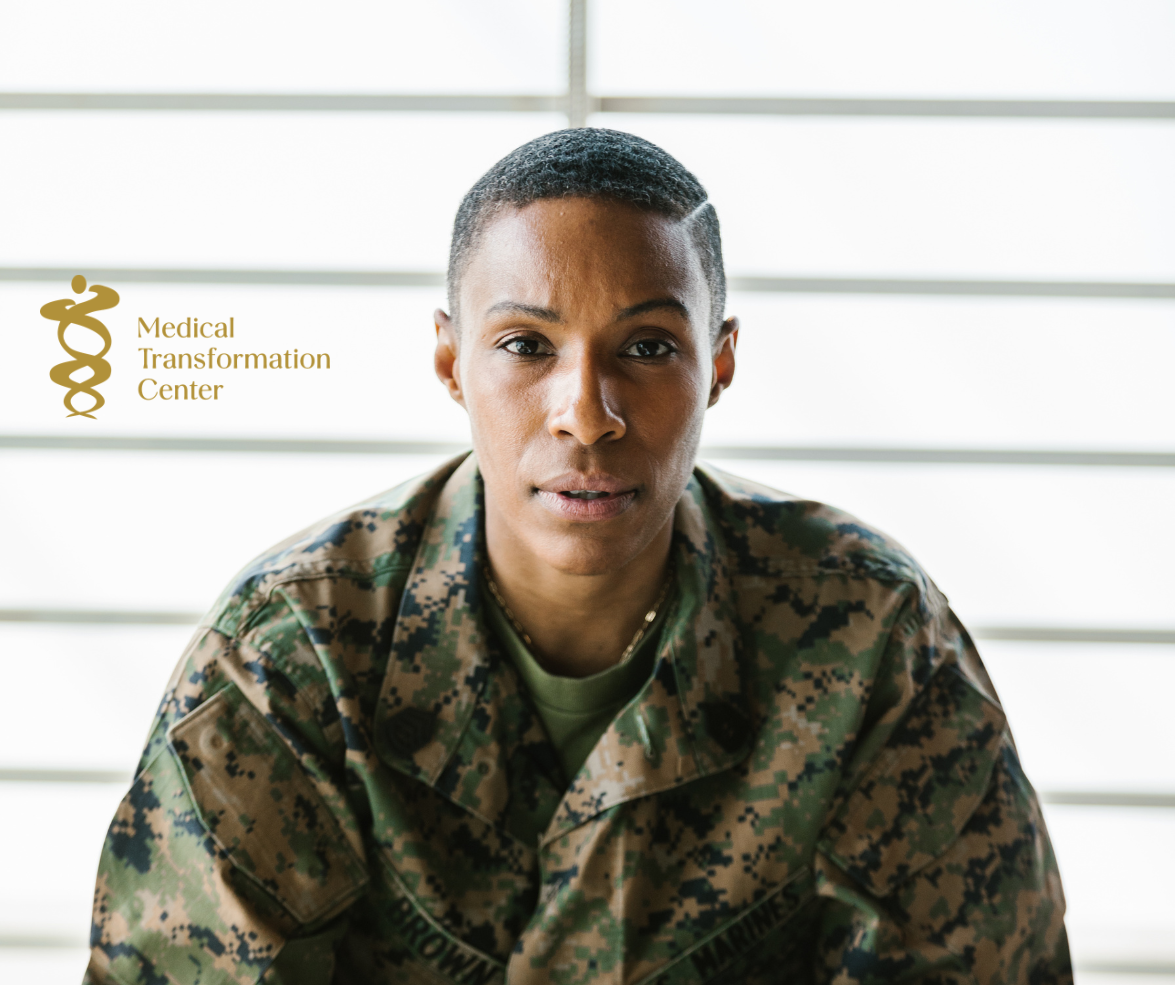
For many veterans, the battle doesn't end when they return home. Traumatic brain injuries (TBIs) and post-traumatic stress disorder (PTSD) are among the most common—and most misunderstood—conditions affecting those who have served. Often invisible to the outside world, these injuries can quietly disrupt every aspect of daily life, from sleep and memory to mood and relationships.
Traditional treatments tend to focus on managing symptoms. But what if recovery could begin deeper, at the level of the brain's individual cells? At Medical Transformation Center in Louisville, KY, we take a cellular approach to healing—one designed to address the root causes of these conditions rather than just masking their effects. In this article, you'll learn how TBI and PTSD affect the brain at a cellular level, and how targeted therapies, nutrition, and supplementation can support genuine recovery.
Understanding the Cellular Impact of TBI and PTSD
To understand recovery, it helps to first understand the damage. Both TBI and PTSD take a toll on the brain that extends far beyond what's visible on a scan.
A traumatic brain injury can damage neurons, disrupt communication between brain cells, and impair the function of mitochondria—the tiny "power plants" that supply each cell with energy. When mitochondria struggle, brain cells lack the fuel they need to repair themselves and operate efficiently. The result can show up as brain fog, fatigue, difficulty concentrating, and memory problems.
PTSD, while rooted in trauma, also leaves a measurable physical imprint. Chronic stress floods the body with cortisol and triggers persistent inflammation. Over time, this inflammation can damage neurons, interfere with the production of important neurotransmitters, and deplete the nutrients the brain depends on. In other words, both conditions create a cellular environment that works against healing.
Recognizing this is the first step toward a more effective strategy. If the damage happens at the cellular level, then so should the recovery.
A Cellular Approach to Recovery
A cellular approach to recovery focuses on restoring the brain's ability to heal itself. Rather than treating symptoms in isolation, this method works to rebuild cellular energy, reduce inflammation, protect neurons, and supply the brain with the raw materials it needs to repair.
The strategies that follow—IV nutrient therapy, peptide treatments, a nutrient-dense diet, and targeted supplementation—each play a distinct role. Used together as part of a personalized plan, they can give the brain a real opportunity to recover.
IV Nutrient Therapy: Healing Delivered Directly
One of the challenges with oral supplements and medications is that they must pass through the digestive system, where much of their potency can be lost before reaching the bloodstream. IV nutrient therapy solves this problem.
By delivering nutrients and other beneficial compounds directly into the bloodstream, IV therapy bypasses the digestive system entirely. This allows for more efficient, more complete delivery to the brain and the rest of the body. For veterans dealing with the cognitive effects of TBI or PTSD, this can mean improved cognitive function and a faster, more noticeable response.
Think of it as giving your brain exactly what it needs, exactly where it needs it—without the bottleneck of digestion standing in the way.
Peptide Treatments: Protecting and Supporting Brain Function
Peptides are small chains of amino acids that act as precise messengers in the body. Because they can target specific areas—including the brain—peptide treatments offer a focused way to support recovery.
Certain peptides have neuroprotective properties, meaning they can help shield the brain from further damage while encouraging healthy brain function. For someone recovering from a brain injury or living with PTSD, this added layer of protection can be invaluable. Peptides help create the conditions for neurons to survive, communicate, and repair more effectively.
As part of a broader treatment plan, peptide therapy works alongside nutrition and supplementation to reinforce the brain's natural resilience.
The Paleo-Mediterranean Diet: Fueling Brain Recovery
You can't rebuild a healthy brain on poor fuel. That's why nutrition is a cornerstone of cellular recovery, and the Paleo-Mediterranean diet is one of the most effective frameworks we recommend.
This approach combines the best of two well-researched eating styles. From the Paleo side, it emphasizes whole, unprocessed foods and eliminates the refined sugars and grains that drive inflammation. From the Mediterranean side, it brings in healthy fats, lean proteins like fish and poultry, and an abundance of vegetables rich in antioxidants.
The benefits for brain recovery are significant. Healthy fats support the structure of brain cells, antioxidants combat the inflammation that damages neurons, and stable blood sugar helps maintain steady energy and focus throughout the day. For veterans working to heal, the Paleo-Mediterranean diet provides the steady, nutrient-dense foundation the brain needs to repair.
Targeted Supplements from Regenavita
Even with a strong diet, the brain often needs additional support to fully recover. That's where targeted supplementation comes in. The following products from Regenavita are physician-curated and chosen specifically for their role in supporting brain health and cellular function.
RegenaBrainHealth
RegenaBrainHealth is formulated to support the brain at a structural and cellular level. It supplies the building blocks for brain phospholipids—key structural components of the synapses that allow neurons to communicate. Beyond structure, the formula supports cellular energy production, healthy mitochondrial function, and antioxidant protection. For a brain recovering from injury or chronic stress, this combination addresses several cellular needs at once, helping foster healthy cognition, mood, and memory.
Ketone Esters
When the brain struggles to use glucose efficiently—as often happens after a TBI—ketones can serve as a powerful alternative fuel source. Ketone esters help boost energy and concentration while also curbing carbohydrate cravings. For veterans battling brain fog and fatigue, this clean, efficient energy source can make a meaningful difference in mental clarity and focus throughout the day.
RegenaD
Vitamin D plays a far larger role in health than many people realize, influencing everything from mood to immune function. RegenaD is designed to optimize vitamin D levels while supporting bone and cardiovascular health. Because of its wide-ranging influence on the body, it can also factor into treatment protocols for a variety of conditions, making it a versatile foundation in a comprehensive recovery plan.
Building a Personal Transformation Plan
No two veterans have the same story, and no two recovery journeys should look identical. That's the principle behind our approach at Medical Transformation Center.
Our process begins with listening. During your first appointment, you'll sit down with one of our providers for a full, unhurried conversation about what you're experiencing and what you hope to achieve. From there, we order extensive lab work and any necessary diagnostic testing so we can see the story your body is telling. Finally, we bring it all together into a Personal Transformation Plan—a tailored roadmap that may combine IV nutrient therapy, peptide treatments, nutritional guidance, and targeted supplementation to fit your unique needs.
This is care designed for people who have felt unheard, who are searching for real answers rather than another prescription to manage symptoms.
Taking the Next Step Toward Recovery
The hidden wounds of war are real, but so is the potential for healing. By addressing TBI and PTSD at the cellular level—restoring energy, reducing inflammation, protecting neurons, and supplying the brain with what it truly needs—recovery becomes more than a hope. It becomes a plan.
If you or a veteran you love is struggling with the effects of a brain injury or PTSD, you don't have to keep searching alone. Request an appointment with Medical Transformation Center today, and let's begin writing a new chapter in your health journey—together.