
Most of us think about food as calories, carbs, or fuel. But every bite you eat also sends a message to your cells. Food acts as information—a set of instructions that can switch genes on or off, speed up or slow down metabolism, and either trigger or calm inflammation.
Understanding this connection changes how you eat. Instead of counting calories, you start choosing foods that send your body the right signals for energy, focus, and long-term health. In this post, you'll learn how nutrition speaks to your cells and how the Paleo-Mediterranean lifestyle puts that science into daily practice.
What Does "Food as Information" Mean?
Food as information means that the nutrients you eat function like biological signals, not just energy sources. When you digest a meal, it breaks down into molecules—vitamins, minerals, fatty acids, and amino acids—that travel through your bloodstream to every cell.
These molecules bind to cell receptors like a key fitting a lock, starting a chain of biochemical reactions. In short, your food helps direct how your cells grow, repair, and function.
How Do Nutrients Communicate With Your Genes?
The study of how nutrients interact with your genes is called nutrigenomics. It shows that different foods send very different messages.
For example, omega-3 fatty acids in fish like salmon signal your body to reduce inflammation. High amounts of processed sugar do the opposite, promoting it.
A helpful way to picture this: your DNA is the hardware, and food is the software.
- Nutrient-dense foods deliver clean, efficient code that helps your body run smoothly.
- Processed, low-nutrient foods deliver corrupted code, contributing to fatigue, chronic disease, and poor health.
You can't rewrite your genetic hardware, but the food you choose helps decide which programs run.
How Do Your Cells "Listen" to Food?
Your cells constantly listen for instructions that shape how they behave. Food communicates with them in three key ways.
Gene Expression
You can't change your genes, but you can influence which ones are active. Certain nutrients attach to proteins that regulate gene expression, essentially turning genes "on" or "off." For instance, sulforaphane in broccoli can activate genes that support your body's natural detoxification. That means your daily food choices have a direct say in how your genes behave.
Hormonal Balance
Hormones are chemical messengers that control your mood, energy, and metabolism. The foods you eat directly affect hormone production and balance. Healthy fats and lean proteins supply the building blocks for hormones like estrogen and testosterone. Meanwhile, refined carbohydrates can spike insulin, which—when chronically elevated—can lead to metabolic problems.
Gut Health and the Microbiome
Your gut is home to trillions of microbes that digest food, produce vitamins, and talk to your immune system. Fiber-rich vegetables and fruits feed beneficial gut bacteria, which then produce short-chain fatty acids (SCFAs). These SCFAs strengthen the gut lining, lower inflammation, and even influence brain health. To go deeper, read this guide on how your gut microbiome impacts your overall health.
What Is the Paleo-Mediterranean Lifestyle?
So how do you apply "food as information" in real life? One of the most effective, sustainable approaches is the Paleo-Mediterranean (Paleo-Med) lifestyle. It blends two of the world's healthiest eating patterns.
The Paleo diet focuses on whole, unprocessed foods our ancestors would recognize. The Mediterranean diet is celebrated for heart health, emphasizing vegetables, olive oil, and fish. Together, they create a powerful framework for sending your cells the highest-quality information. For a deeper look, explore the science, benefits, and practical challenges of adopting the Paleo-Mediterranean diet. You can also get an instant download of the Paleo-Mediterranean Lifestyle Guide with meal planning tips.
What Should You Eat on a Paleo-Med Diet?
The goal is simple: eat whole, nutrient-dense foods and skip processed items that confuse your body.
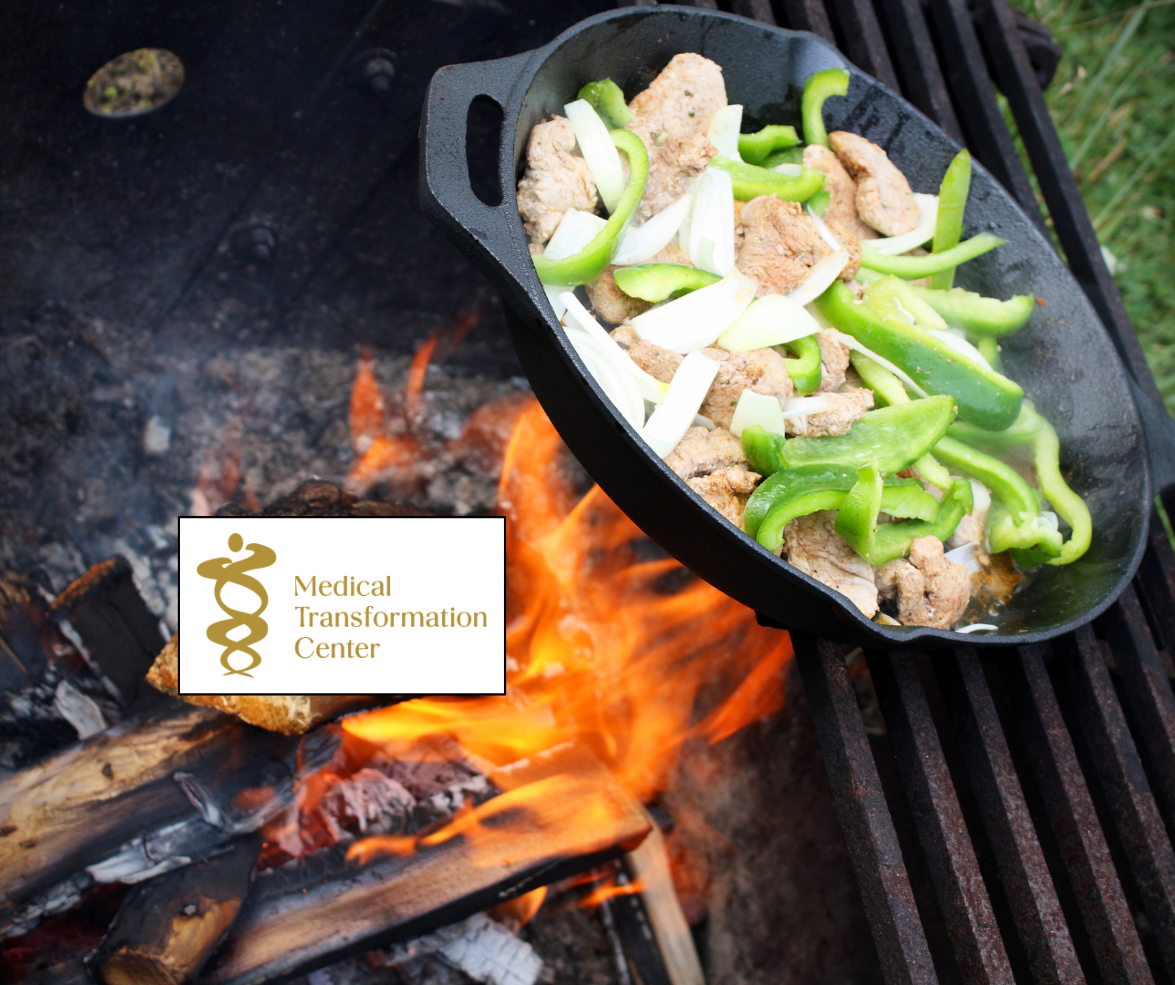
- A rainbow of vegetables: Choose non-starchy options like leafy greens, broccoli, peppers, and cucumbers for vitamins, minerals, and phytonutrients.
- High-quality proteins: Include wild-caught fish, pasture-raised poultry, and grass-fed meats for essential amino acids and healthy fats.
- Healthy fats: Make extra virgin olive oil your primary fat, and add avocados, nuts, and seeds to support brain health and lower inflammation.
- Low-glycemic fruits: Berries top the list for their antioxidants and gentle effect on blood sugar; enjoy other fruits in moderation.
- Herbs and spices: Turmeric, ginger, oregano, and rosemary add anti-inflammatory and antioxidant compounds.
What Should You Avoid on a Paleo-Med Diet?
- Processed foods: Anything in a box, bag, or package with a long ingredient list.
- Refined sugars and grains: White bread, pasta, pastries, and sugary drinks send inflammatory signals.
- Industrial seed oils: Soybean, corn, and canola oils can promote inflammation in excess.
- Most dairy and legumes: Stricter Paleo-Med plans often limit these to reduce potential inflammatory triggers.
What Are the Benefits of a Paleo-Med Lifestyle?
Eating this way gives your cells clear, consistent instructions. The payoffs reach across your whole body:
- Reduced inflammation: Prioritizing fish and olive oil while cutting inflammatory foods helps calm the systemic inflammation behind many chronic diseases.
- Improved metabolic health: Whole foods and stable blood sugar support better insulin sensitivity and healthy weight.
- Enhanced brain function: Omega-3s and healthy fats fuel focus, clarity, and long-term brain health.
- Increased energy: When cells get the right information, your body works more efficiently, giving you steady energy all day.
How to Start Speaking Your Cells' Language
Food as information shifts your focus from calorie counting to nutrient quality. Every meal becomes a chance to guide your body toward wellness. You don't need to be perfect overnight—small, steady changes add up.
Try these simple swaps to begin:
- Replace your usual cooking oil with extra virgin olive oil.
- Add an extra serving of leafy greens to dinner.
- Choose a piece of fruit over a sugary snack.
Each choice sends a positive signal to your cells. Over time, those signals compound into a foundation for lasting health. Your body is listening—what will you tell it next?
Frequently Asked Questions
What is nutrigenomics?
Nutrigenomics is the study of how nutrients interact with your genes. It explains how specific foods can influence gene expression—turning certain genes "on" or "off"—which affects inflammation, metabolism, and overall health.
Can food really turn genes on or off?
Yes. While you can't change your genetic code, certain nutrients bind to proteins that regulate gene activity. For example, sulforaphane in broccoli can activate detoxification-supporting genes, and omega-3s can help switch on anti-inflammatory signals.
Is the Paleo-Mediterranean diet good for gut health?
It can be. The Paleo-Med diet emphasizes fiber-rich vegetables, fruits, and healthy fats that feed beneficial gut bacteria. These bacteria produce short-chain fatty acids that strengthen the gut lining and reduce inflammation.