Visceral Fat: What It Is and How to Tackle It
Not all body fat behaves the same way. While most weight-loss conversations focus on the fat you can see, the fat hidden deep inside your abdomen may matter far more for your health. That hidden fat is called visceral fat, and it deserves your attention.
At the Medical Transformation Center in Louisville, KY, we help patients understand and reduce visceral fat using body composition testing and integrative medicine. In this guide, you'll learn what visceral fat is, why it's dangerous, how to measure it accurately, and the most effective ways to lower it.
What you'll learn:
- What visceral fat is and how it differs from other fat
- Why excess visceral fat threatens your health
- How to measure your visceral fat levels
- Lifestyle and medical strategies to reduce it
What Is Visceral Fat?
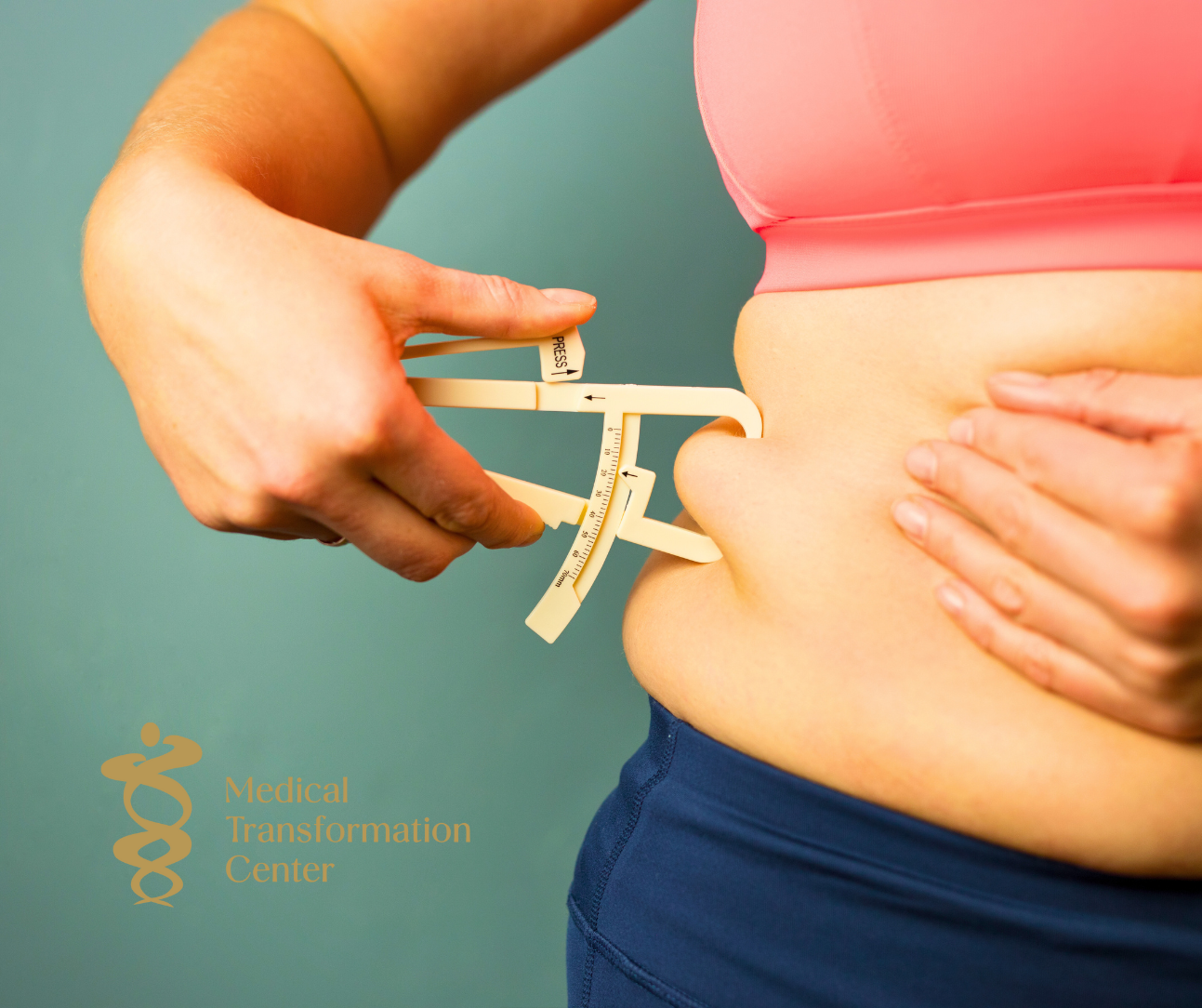
Visceral fat is fat stored deep in your abdominal cavity, wrapped around vital organs like your liver, pancreas, and intestines. This makes it very different from subcutaneous fat—the soft layer just under your skin that you can pinch.
Doctors often call visceral fat "active fat" because it doesn't sit quietly. It produces hormones and chemicals that affect your metabolism and can harm your health. The more visceral fat you carry, the higher your health risks climb.
Takeaway: Visceral fat surrounds your internal organs and actively disrupts your metabolism, making it more dangerous than the fat you can see.
Why Is Visceral Fat Dangerous?
Excess visceral fat affects far more than your appearance. It's closely tied to serious, systemic health problems. Here's why it matters.
What Diseases Are Linked to Visceral Fat?
High levels of visceral fat are strongly connected to several conditions, including:
- Type 2 diabetes: Visceral fat interferes with insulin function, leading to insulin resistance and elevated blood sugar.
- Heart disease: It contributes to high blood pressure, unhealthy cholesterol, and inflammation—key risk factors for cardiovascular problems.
- Metabolic syndrome: This cluster of conditions, including high blood pressure and excess abdominal fat, sharply increases your risk of diabetes and heart disease.
- Certain cancers: Research links higher visceral fat levels to greater risks of cancers such as breast and colorectal cancer.
How Does Visceral Fat Cause Chronic Inflammation?
Visceral fat releases inflammatory markers that keep your body in a persistent, low-grade inflammatory state. This ongoing inflammation has been tied to a wide range of chronic diseases.
How Does Visceral Fat Disrupt Your Hormones?
Visceral fat influences the hormones that control appetite, stress, and metabolism. This makes weight gain easier and weight loss harder—creating a vicious cycle that fuels even more visceral fat storage.
Takeaway: Visceral fat drives disease, chronic inflammation, and hormonal imbalance, so lowering it protects your whole body.
How Do You Know If You Have Excess Visceral Fat?
Measuring visceral fat is not as simple as stepping on a scale. Some people use waist circumference as a rough guide: men over 40 inches and women over 35 inches generally fall into the higher-risk category. However, this varies widely based on your height, weight, and other factors, so it's not an accurate measure on its own.
For a precise picture, body composition testing is essential. InBody body composition testing in Louisville goes beyond basic numbers, delivering detailed data and personalized insights tailored to your body. It factors in your age, height, weight, and overall composition to set custom goals.
For example, it might recommend reducing visceral fat in your midsection while building lean muscle in your upper body for better balance. It can even flag signs of inflammation. With these insights, you get a clear roadmap to manage visceral fat, build muscle where it counts, and reduce inflammation.
Takeaway: Waist size gives a rough clue, but InBody body composition testing provides the accurate, personalized data you need to act.
How Can You Reduce Visceral Fat?
Lowering visceral fat comes down to sustainable, healthy lifestyle changes. Here are evidence-backed strategies that work.
Why Is Exercise the Best Way to Burn Visceral Fat?
Regular exercise is one of the most effective ways to reduce visceral fat—and you don't have to live at the gym to see results.
Find activities you enjoy. Consistency is key, so choose movement you actually like. Join a walking club, bike scenic routes, swim laps, or try pickleball. The specific activity matters less than simply getting started.
Level up your fitness. Once movement becomes a habit, take it further. Training at a gym or with a personal trainer helps you build a safe, challenging routine tailored to your goals. A trainer can help you target visceral fat while building strength and endurance.
What Foods Help Reduce Visceral Fat?
Nutrition plays a powerful role. Focus on nutrient-dense choices:
- Favor whole foods over processed options. Build meals around vegetables, lean proteins, healthy fats, and fresh herbs and spices.
- Cut refined carbs and added sugars found in soda, pastries, and snacks, which spike blood sugar and promote fat storage.
- Add fiber-rich foods. Soluble fiber supports gut health and keeps you feeling full longer.
- Include healthy fats like avocados, olive oil, and nuts, which support overall health and curb unnecessary snacking.
How Does Sleep Affect Visceral Fat?
Consistent, restorative sleep helps you maintain a healthy weight. Aim for 7–9 hours each night to regulate hunger hormones and reduce cravings.
How Does Stress Increase Belly Fat?
Chronic stress raises cortisol, a hormone that drives fat storage in your abdomen. Manage stress with:
- Meditation or mindfulness to calm the mind and reduce the physical toll of stress.
- Yoga or Tai Chi to blend mindfulness with movement while improving flexibility and strength.
- Time management by prioritizing tasks and setting realistic goals to ease overwhelm.
- Professional support from a therapist or counselor when stress feels persistent or unmanageable.
Does Alcohol Increase Visceral Fat?
Yes. Overindulging in alcohol is linked to weight gain, especially around the midsection. Keep it moderate—up to one drink a day for women and two for men. Timing matters too: a frequent "night cap" can disrupt your metabolism, hormones, and sleep quality, hurting your body's ability to repair and detox overnight. When you do drink, favor low-sugar, clean wines and clear spirits.
Does Staying Hydrated Help?
It does. Drinking water supports your metabolism, keeps your body running well, and helps you resist unnecessary snacking. Good hydration also boosts energy and supports proper detox, so you perform better during workouts.
Why Do Regular Health Checkups Matter?
Routine screenings that include advanced body composition measures for long-term health help you monitor visceral fat and related risk factors like blood pressure, cholesterol, and glucose. Early intervention is the key to lasting health.
What Integrative and Cellular Medicine Tools Reduce Visceral Fat?
Beyond lifestyle changes, integrative regenerative and cellular medicine offers advanced tools to target visceral fat more precisely.
How Does an Epigenetic Approach Help?
Your genes hold clues about how your body stores fat. An epigenetic approach helps identify genetic predispositions or mutations that may affect your visceral fat production and storage. With that knowledge, you can make smarter decisions about diet, advanced supplementation, and other therapies.
Can Emsculpt NEO Reduce Visceral Fat?
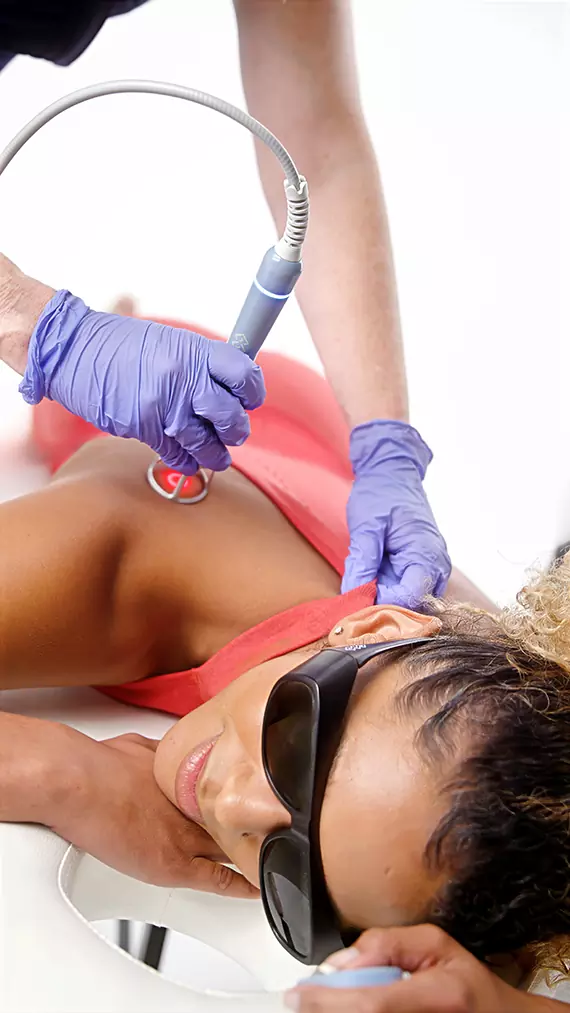
Yes. Emsculpt NEO body sculpting in Louisville is a regenerative device that builds muscle and burns fat at the same time. It combines high-intensity electromagnetic energy with radio frequency to trigger muscle contractions beyond what traditional exercise can achieve. Used on the abdomen, this non-invasive treatment can help eliminate visceral fat over a 4–6 week period, with six sessions each lasting under 30 minutes.
What About a Personalized Diet and Exercise Plan?
Your health is unique, so your plan should be too. We build tailored diet and exercise regimens designed around your body's specific needs and goals, ensuring sustainable and meaningful results.
How Do Peptide Therapies Target Visceral Fat?
Peptide therapies in Louisville can support several goals when reducing visceral fat. They may boost your metabolism and fat burning, reduce inflammation, and strengthen your body's natural healing processes. Peptides work best with a physician who specializes in them and uses them within a broader, personalized treatment plan—not as a standalone quick fix.
How Does InBody Testing Guide Your Progress?
As noted earlier, precise insights into your body composition—including muscle mass and visceral fat levels—help you understand your body more deeply. This lets you pinpoint what to target for better health and lower risk, then track your progress over time.
Can Hormone Support Lower Visceral Fat?
Sometimes sex hormone imbalances contribute to visceral fat production and storage. If that's the case, a comprehensive plan that includes diet, lifestyle, advanced supplementation, peptide therapies, and possibly bioidentical hormone replacement therapy (BHRT) for hormone balance may help combat visceral fat and improve your overall health.
Takeaway: Combining lifestyle changes with tools like epigenetics, Emsculpt NEO, peptide therapies, and hormone support creates a powerful, personalized plan to reduce visceral fat.
The Path to Less Visceral Fat and More Vitality
Visceral fat isn't a vanity metric—it's a health marker that shapes everything from your energy to your long-term well-being. By prioritizing exercise, smart nutrition, quality sleep, stress reduction, and integrative cellular medicine options, you can lower visceral fat and take control of your health.
These changes may feel daunting at first, but small, steady steps add up. The payoff is a healthier you, inside and out.
Ready to take the first step? In Louisville, schedule an advanced body composition assessment at Medical Transformation Center to find out whether you have visceral fat or are at risk for developing it. If so, we'll help you build a personalized plan to get back on track.
Frequently Asked Questions
What is visceral fat?
Visceral fat is fat stored deep in your abdominal cavity, surrounding organs like your liver, pancreas, and intestines. Unlike subcutaneous fat under your skin, it actively produces hormones and chemicals that disrupt your metabolism and raise your health risks.
Why is visceral fat more dangerous than other fat?
Visceral fat is metabolically active. It releases inflammatory markers and hormones linked to type 2 diabetes, heart disease, metabolic syndrome, certain cancers, and chronic inflammation—making it more harmful than the subcutaneous fat you can pinch.
How do you measure visceral fat?
Waist circumference offers a rough estimate, but it's not accurate on its own. The most precise method is body composition testing, such as the InBody machine, which measures visceral fat, muscle mass, and inflammation to create personalized health goals.
What is the fastest way to reduce visceral fat?
There's no single quick fix, but regular exercise is one of the most effective strategies. Pairing consistent movement with a whole-food diet, quality sleep, stress management, and hydration delivers the best long-term results.
Can Emsculpt NEO get rid of visceral fat?
Emsculpt NEO is a non-invasive treatment that builds muscle and burns fat using electromagnetic energy and radio frequency. Applied to the abdomen, it can help reduce visceral fat over a 4–6 week period with six sessions, each under 30 minutes.
Can hormone imbalances cause visceral fat?
Yes. Imbalances in sex hormones can contribute to how your body produces and stores visceral fat. A comprehensive plan that may include diet, lifestyle changes, peptide therapies, and bioidentical hormone replacement therapy (BHRT) can help address it.
How do peptide therapies help with visceral fat?
Peptide therapies may support metabolism and fat burning, reduce inflammation, and strengthen natural healing. They work best as part of a personalized, physician-guided plan rather than as a standalone solution.