
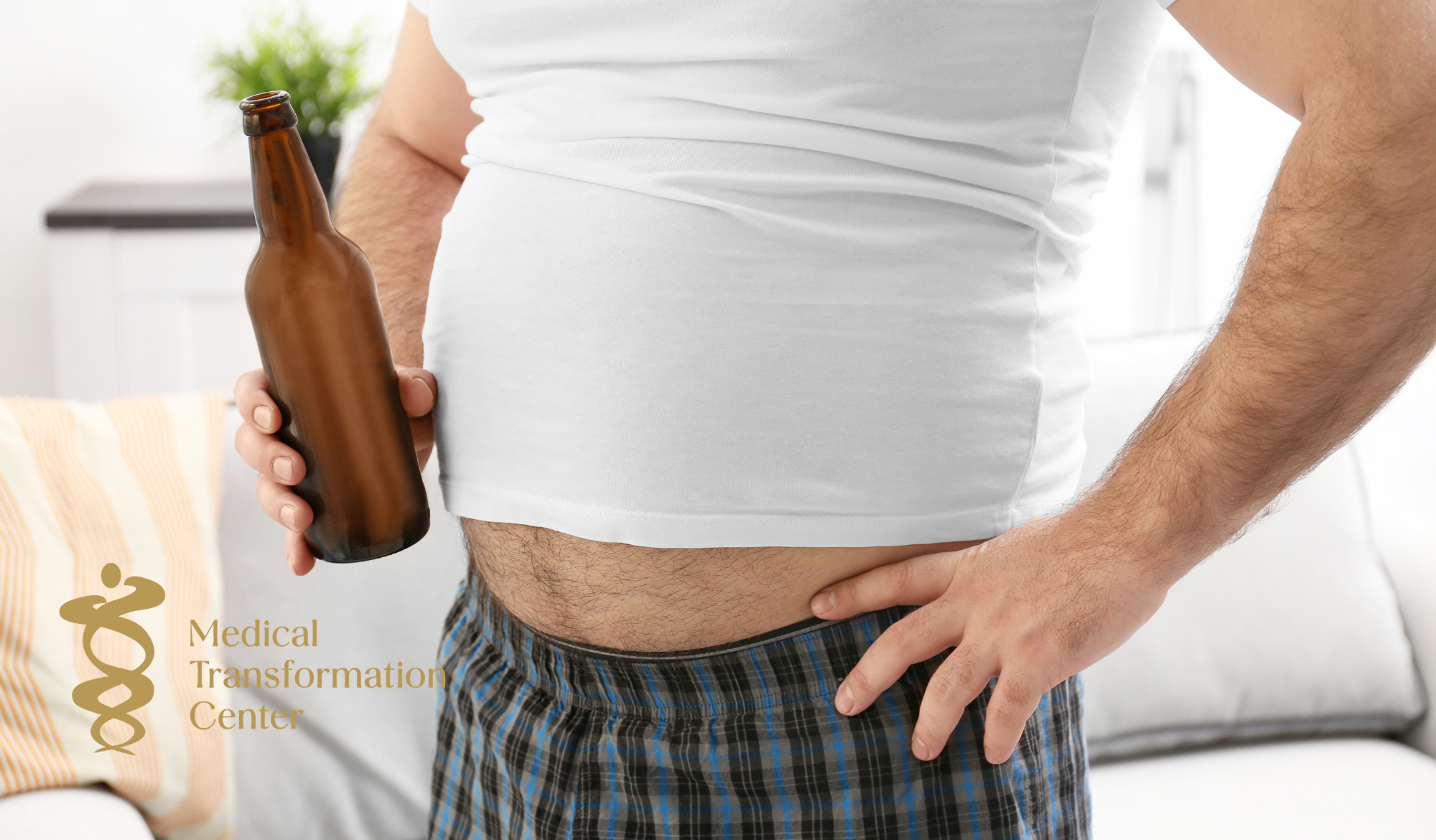
Quick answer: The "dad bod" is often dismissed as a harmless side effect of aging or fatherhood, but Dr. Carl Paige of Medical Transformation Center warns that the belly fat behind it is metabolically active tissue linked to heart disease, type 2 diabetes, low testosterone, and accelerated aging. In this Q&A, Dr. Paige explains the real risks and shares three lifestyle principles men can use to build lasting strength instead of chasing quick fixes.
The term "dad bod" gets thrown around like a badge of honor. It's the soft midsection that shows up somewhere between your twenties and your kids' little league games, and pop culture has largely decided it's endearing, even relatable. But according to Dr. Carl Paige, co-founder and Chief Medical Officer of Medical Transformation Center in Louisville, KY, that framing is doing men a disservice.
"The 'dad bod' label makes belly fat sound harmless, almost charming," Dr. Paige says. "But what's happening underneath that extra weight is a lot more serious than most men realize."
This article is part two of our three-part Men's Health Month series with Dr. Paige. In part one, we covered how testosterone quietly shapes men's energy, mood, and body composition. This time, we're tackling a topic just as misunderstood: belly fat, and why it deserves more attention than a shrug and a joke.
The Real Danger of Belly Fat: It's Not Just Cosmetic
Ask most men what worries them about a growing waistline, and you'll likely hear about how their clothes fit or how they look in photos. Dr. Paige says that's the wrong starting point.
"Belly fat isn't just sitting there being lazy tissue," he explains. "Visceral fat, the kind that accumulates around your organs, is biologically active. It releases inflammatory compounds and hormones that interfere with how your entire body functions."
That distinction matters. Subcutaneous fat, the kind you can pinch under the skin, is different from visceral fat, which wraps around organs like the liver and pancreas. Visceral fat is the more dangerous of the two, and it's the type most closely associated with a protruding midsection. For a deeper look at how visceral fat forms and what it does inside the body, see our guide on visceral fat.
What health risks are associated with belly fat in men?
Dr. Paige walks through the list he shares with patients regularly, and it's longer than most expect:
- Heart disease: Excess visceral fat contributes to inflammation and unhealthy cholesterol patterns that strain the cardiovascular system.
- Type 2 diabetes: Belly fat is closely tied to insulin resistance, making blood sugar harder to regulate.
- High blood pressure: Visceral fat can affect blood vessel function, pushing pressure levels upward.
- Fatty liver disease: The liver sits close to visceral fat deposits and can absorb excess fat itself, impairing its function over time.
- Poor sleep: Increased abdominal fat is linked to sleep apnea and disrupted sleep cycles.
- Reduced energy: Chronic inflammation and poor sleep combine to leave men feeling drained.
- Lower testosterone: Fat tissue can convert testosterone into estrogen, creating a frustrating cycle where more belly fat leads to lower testosterone, which in turn makes fat easier to gain.
- Muscle loss: As hormone balance shifts, the body becomes less efficient at maintaining lean muscle.
- Sexual performance concerns: Blood flow issues and hormonal changes tied to belly fat can affect performance and confidence in the bedroom.
- Accelerated aging: Chronic inflammation from visceral fat is increasingly linked to faster cellular aging.
"None of these show up overnight," Dr. Paige notes. "That's exactly why men underestimate the problem. It builds slowly, so it feels normal, until it doesn't."
Three Principles Dr. Paige Shares with Men Every Day
Given how much is at stake, it would be reasonable to expect a complicated action plan. Dr. Paige keeps it simpler than that, built around three core shifts in thinking.
Why should men think lifestyle, not diet?
"Diets fail because they're designed to end," Dr. Paige says. "The moment a man finishes a 30-day plan, he goes back to his old habits, and so does his belly fat."
Instead, he encourages patients to build routines that they can sustain for years, not weeks. Consistency beats perfection every time. A man who eats reasonably well five days out of seven, indefinitely, will outperform one who eats perfectly for a month and then quits.
What does "fuel, not food" mean for weight loss?
Dr. Paige asks his patients to reframe how they think about eating. "Food is fuel. If you put low-quality fuel into a high-performance engine, don't be surprised when it underperforms."
In practice, this means prioritizing quality protein, vegetables, and healthy fats, while cutting back on processed carbohydrates and sugar. It's less about counting every calorie and more about upgrading the quality of what's on the plate. Patients interested in specific dietary approaches can read more in our guide to reducing belly fat through exercise and nutrition.
Should men focus on building muscle or bulking up?
This is where Dr. Paige sees the most confusion. "Men hear 'strength training' and picture a bodybuilder loading up a barbell for size. That's not the goal here."
Instead, he frames strength training as a tool for preserving muscle mass, which naturally declines with age. Maintaining muscle keeps metabolism higher, supports joint health, and helps the body burn fat more efficiently at rest. "You're not building for the mirror," he says. "You're building for resilience, twenty years from now."
Taking an Honest Inventory of Your Health
Dr. Paige recommends men ask themselves a few direct questions rather than relying on how they look in a t-shirt:
- How is my energy level throughout the day, not just after coffee?
- Am I sleeping through the night, or waking up frequently?
- Has my waist size changed significantly in the last few years?
- Do I feel strong and capable in everyday physical tasks?
- When did I last have bloodwork done to check metabolic markers?
"These questions tell you more than a scale ever will," Dr. Paige says. "Weight loss and belly fat reduction should be about tracking function, not just a number." For men ready to take action, our post on decreasing belly fat outlines practical next steps, and our article on the broader benefits of weight loss for men covers what's possible beyond the waistline.
The Goal Is Long-Term Strength and Resilience
The "dad bod" may be culturally accepted, but Dr. Paige's message is clear: comfort with the label shouldn't translate into complacency about the underlying health risks. Belly fat is a signal, not just a cosmetic concern, and it responds to sustainable lifestyle changes far better than short-term fixes.
The path forward isn't about chasing a six-pack or a number on a scale. It's about building a body that can carry you through decades, not just the next family photo.
Frequently Asked Questions
Is "dad bod" the same as being overweight?
Not necessarily. "Dad bod" is a cultural term describing a softer, less toned physique, but it doesn't account for where fat is stored. A man at a normal weight can still carry excess visceral fat, which poses health risks regardless of his overall size.
How long does it take to reduce belly fat safely?
Sustainable belly fat reduction typically takes months, not weeks. Dr. Paige emphasizes consistent lifestyle changes over rapid weight loss, since slower, steady progress is more likely to last.
Do I need to give up all carbs to lose belly fat?
No. Dr. Paige's "fuel, not food" approach focuses on quality over elimination, prioritizing vegetables, protein, and healthy fats while reducing processed carbohydrates rather than cutting carbs entirely.
Can strength training alone reduce belly fat?
Strength training helps preserve muscle and support metabolism, but it works best alongside quality nutrition and consistent habits. It's one piece of a broader lifestyle approach, not a standalone fix.
Who is this advice for?
These principles apply broadly to men looking to improve long-term health, but individual needs vary based on age, medical history, and current health status. Men with specific health concerns should consult a physician before making major lifestyle changes.