
Quick answer: GLP-1 medications like semaglutide and tirzepatide can cause significant fat loss, but research shows that 25% to 40% of total weight lost may come from lean muscle mass rather than fat. Preserving muscle while on a GLP-1 requires adequate protein intake, resistance training, and medical supervision to track body composition changes—not just the number on the scale.
Weight loss medications have changed the conversation around obesity and metabolic health. GLP-1 receptor agonists, including semaglutide (Ozempic, Wegovy) and tirzepatide (Zepbound, Mounjaro), have helped countless patients lose substantial weight by mimicking hormones that regulate appetite and blood sugar. The results can be dramatic. But there's a side effect that doesn't get nearly enough attention: muscle loss.
At Medical Transformation Center in Louisville, KY, we work with patients navigating GLP-1 therapy every day, and one of the most common questions we hear is whether these medications are helping them get healthier or simply making them smaller. Losing weight without preserving muscle can leave patients metabolically worse off, even if the scale shows progress. This post breaks down why muscle loss happens on GLP-1s, what the research says, and the strategies our providers use to help patients lose fat while protecting the muscle they need for long-term health.
Why Do GLP-1 Medications Cause Muscle Loss?
GLP-1 medications work primarily by suppressing appetite and slowing gastric emptying, which leads to a significant reduction in overall caloric intake. When the body operates in a caloric deficit, it draws energy from stored fat, but it also breaks down muscle tissue for fuel, especially if protein intake and physical activity aren't adequately managed.
This isn't unique to GLP-1s. Any rapid weight loss method, including calorie restriction diets and bariatric surgery, carries some risk of lean mass loss. However, because GLP-1s are so effective at reducing appetite, patients often eat less protein without realizing it, which accelerates the problem.
Clinical trials on semaglutide, including the STEP program, have found that a substantial portion of total weight lost during GLP-1 treatment comes from lean mass rather than fat mass. Muscle is metabolically active tissue that supports strength, mobility, insulin sensitivity, and resting metabolic rate. Losing it can undermine the very health outcomes patients are trying to achieve.
What Happens to Your Body When You Lose Muscle Instead of Fat?
Muscle loss carries consequences that go well beyond appearance. When patients lose lean mass alongside fat, they may experience:
- A slower metabolism. Muscle tissue burns more calories at rest than fat tissue, so losing muscle can lower your resting metabolic rate, making it easier to regain weight later.
- Reduced strength and mobility. This is especially concerning for older adults, where preserving muscle mass is directly tied to independence and fall prevention.
- Increased frailty risk. Significant lean mass loss can leave patients weaker and more vulnerable to injury, even at a lower body weight.
- Blood sugar instability. Muscle plays a key role in glucose uptake, so losing it can work against the metabolic benefits GLP-1s are meant to provide.
For patients using GLP-1 medications to manage a diagnosis like type 2 diabetes or metabolic syndrome, muscle preservation isn't optional. It's central to the medication actually improving long-term health outcomes.
How Can You Preserve Muscle Mass While Taking a GLP-1?
The good news is that muscle loss during GLP-1 treatment isn't inevitable. With the right approach, patients can lose fat while maintaining or even building lean mass. It will normally happen, and this isn’t necessarily all bad……oftentimes, the muscle cells are of inferior quality in a metabolically unfit person. The loss of some of these, and their replacement with more metabolically efficient muscle cells is a net gain.
Prioritize protein intake at every meal
Because GLP-1s suppress appetite, patients often need to be intentional about hitting their protein targets. Many providers recommend aiming for 0.7 to 1 gram of protein per pound of ideal body weight daily, spread across meals, to give muscle tissue the building blocks it needs to repair and maintain itself during a caloric deficit.
Incorporate resistance training
Strength training sends a signal to the body to preserve and build muscle, even when calories are restricted. Patients on GLP-1s benefit most from resistance training two to four times per week, focusing on major muscle groups. Choose resistance training if your goal is long-term strength and metabolic health, not just short-term weight loss.
Monitor body composition, not just weight
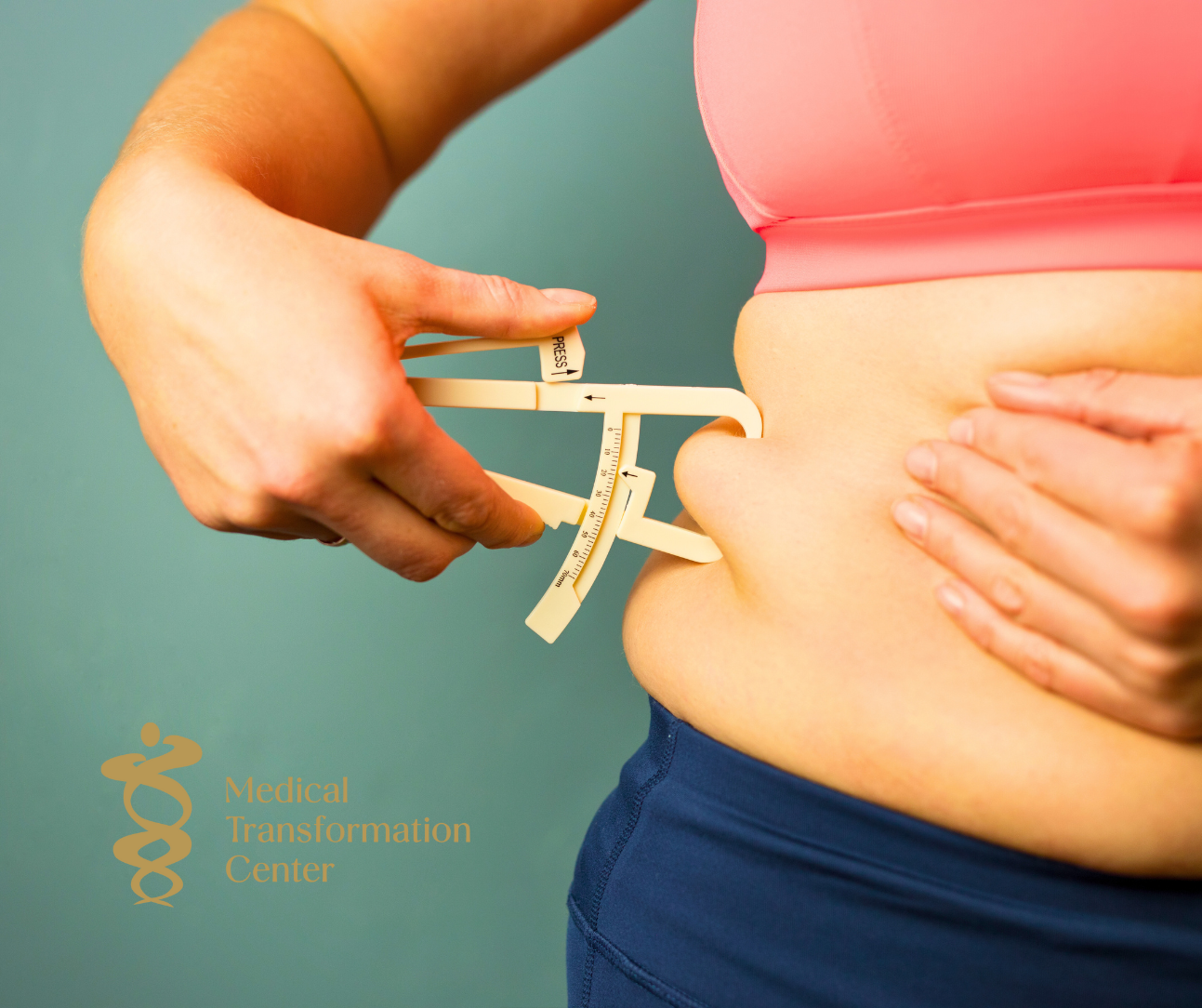
The number on the scale doesn't tell the full story. Tools like DEXA scans or bioelectrical impedance analysis can track the ratio of fat loss to muscle loss over time, giving patients and providers the information needed to adjust the treatment plan before muscle loss becomes a problem.
Avoid overly aggressive caloric deficits
Combining a GLP-1 medication with severe calorie restriction significantly increases the risk of muscle loss. Working with a provider to find a sustainable, moderate deficit helps preserve lean mass while still producing meaningful fat loss.
Consider supervised, personalized care
Every patient's response to GLP-1 therapy is different, depending on age, baseline muscle mass, activity level, and health history. A personalized plan that accounts for these factors, rather than a one-size-fits-all prescription, gives patients the best chance of preserving strength and function throughout treatment.
Why Personalized GLP-1 Management Matters
At Medical Transformation Center, our approach starts with understanding each patient's full story, not just their weight loss goals. We combine detailed lab work and diagnostic testing with in-depth conversations about lifestyle, medical history, and what "healthy" actually looks like for that individual. From there, we build a Personal Transformation Plan that may include GLP-1 therapy alongside nutrition guidance, strength training recommendations, and ongoing body composition monitoring.
This kind of comprehensive care matters because GLP-1 medications are powerful tools, but they work best as part of a broader strategy for optimizing health and longevity, not as a standalone fix.
Protecting Your Muscle Is Protecting Your Health
Losing weight on a GLP-1 medication can be an important step toward better health, but the goal shouldn't stop at a lower number on the scale. Preserving muscle mass protects your metabolism, strength, and long-term resilience, and it requires a plan that goes beyond the prescription itself.
If you're currently taking a GLP-1 medication or considering one, Medical Transformation Center in Louisville, KY can help you build a personalized plan that supports fat loss while protecting the muscle your body needs to thrive. Schedule a consultation with our team to get started.
Frequently Asked Questions
Does everyone lose muscle on GLP-1 medications?
Not necessarily to the same degree. The amount of lean mass lost varies based on factors like protein intake, physical activity, age, and baseline muscle mass. Patients who strength train and eat adequate protein typically preserve more muscle than those who don't.
How much muscle loss is normal during GLP-1 treatment?
Research on semaglutide suggests that lean mass can account for a meaningful share of total weight lost, though individual results vary widely depending on lifestyle factors and medical supervision.
Can strength training reverse muscle loss caused by a GLP-1?
Resistance training can help rebuild and preserve muscle even while on a GLP-1 medication, particularly when paired with sufficient protein intake. It's most effective when started early in treatment rather than after significant muscle loss has already occurred.
Is muscle loss a reason to stop taking a GLP-1?
Not usually. Muscle loss is a manageable side effect, not a reason to discontinue treatment outright. The better approach is adjusting the overall care plan, through nutrition, exercise, and monitoring, to protect lean mass while continuing to benefit from the medication.
Who should be most concerned about muscle loss on GLP-1s?
Older adults, patients with lower baseline muscle mass, and those on aggressive caloric deficits face higher risk and should prioritize resistance training and protein intake, along with closer monitoring from their care provider.