
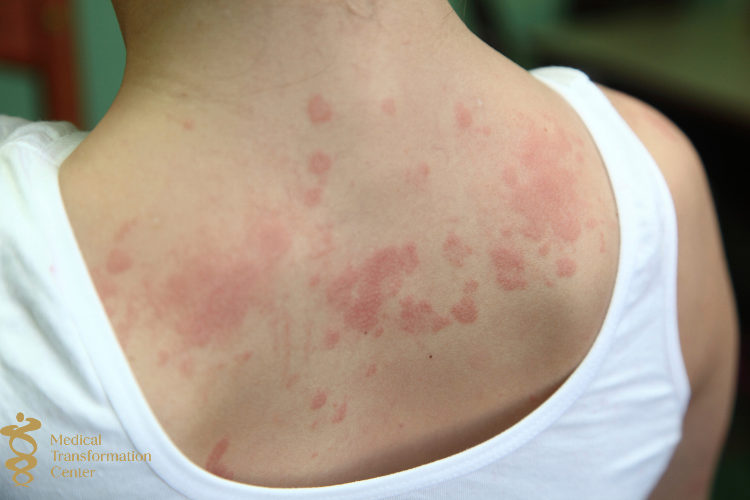
TL;DR: Alpha-gal syndrome (AGS) is a potentially severe allergy to alpha-gal, a sugar molecule found in non-primate mammals, their products, and some structurally similar substances. It's usually triggered by tick bites, not genetics. Exposure can come from eating mammalian meat or dairy, inhaling cooking fumes, skin contact, or injected and IV medications. Food reactions typically appear 2–6 hours later, while injections can cause immediate symptoms. Symptoms range from hives and digestive distress to life-threatening anaphylaxis. Because reactions are delayed and vary so widely, diagnosis often takes years. If you have unexplained reactions, ask your doctor about alpha-gal testing.
If you've been dealing with unexplained hives, stomach pain, or even anaphylaxis hours after eating dinner, you're not imagining things, and you're not alone. Alpha-gal syndrome is a real, growing health concern that's often missed by conventional testing because it doesn't look like a typical food allergy.
This post is the first in a three-part series designed to help you understand AGS from the ground up. We'll cover what it is, how people get it, why it's so often missed, and what to do if you suspect you have it. In Part 2, we'll dig into the specifics of living with AGS day to day. Part 3 will explore the functional medicine protocols that can help you manage it at a deeper, cellular level.
At Medical Transformation Center (MTC) in Louisville, KY, we've seen firsthand how disruptive and confusing this condition can be, especially before a patient finally gets a diagnosis that makes sense of years of symptoms.
What is alpha-gal syndrome?
Alpha-gal syndrome is an IgE-mediated allergic reaction to galactose-α-1,3-galactose (alpha-gal), a sugar molecule found in the tissue of all non-primate mammals (alphagalinformation.org). Unlike most food allergies, which develop in childhood or are inherited, AGS is acquired later in life, and it's triggered by something most people wouldn't expect: a tick bite.
Once sensitized, the immune system treats alpha-gal as a threat. This means that beef, pork, lamb, and other mammalian products can trigger an allergic response ranging from mild hives to life-threatening anaphylaxis.
How do you get alpha-gal syndrome?
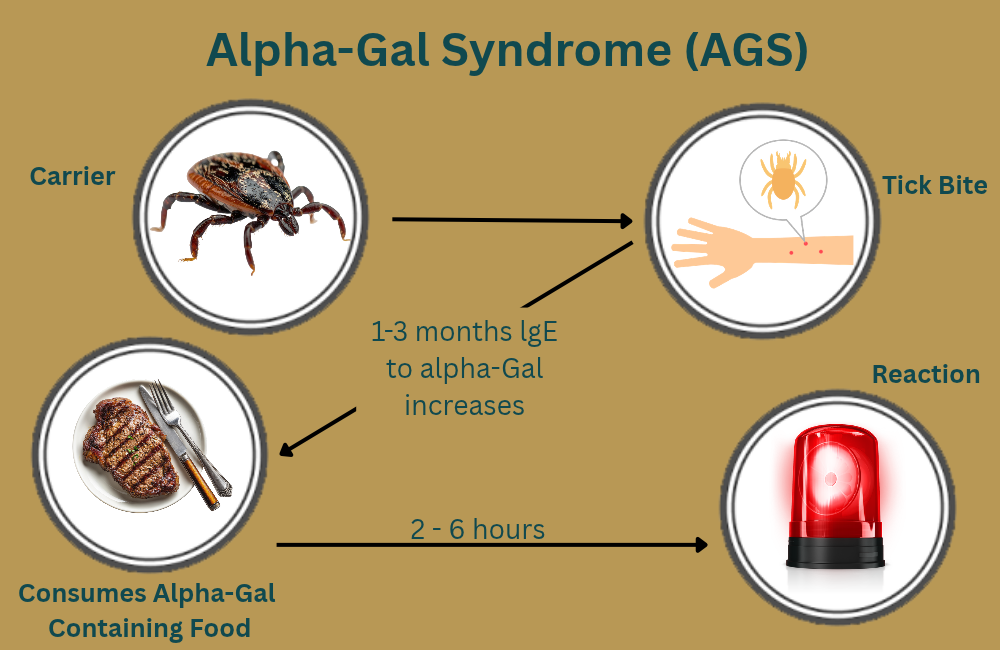
AGS isn't something you're born with. It develops after a tick bite introduces alpha-gal into the body, prompting the immune system to produce IgE antibodies against it. In the United States, the lone star tick (Amblyomma americanum) is the primary culprit, though the blacklegged tick (Ixodes scapularis) has also been implicated. Chigger bites are suspected as well.
Here's an important detail many patients don't know: each additional tick bite can "re-boost" alpha-gal IgE levels, making symptoms worse or more frequent over time. This is why tick-bite prevention isn't just a precaution. For AGS patients, it's a core part of managing the condition (and we'll cover prevention strategies in depth in Part 2).
Why is alpha-gal syndrome so hard to diagnose?
One of the most frustrating aspects of AGS is the delay between exposure and reaction. Unlike a typical food allergy, where symptoms appear within minutes, alpha-gal reactions usually begin 2 to 6 hours after eating mammalian products, sometimes up to 10 hours later. It's common for patients to be woken up in the middle of the night with hives or stomach cramps, with no obvious connection to the burger they had for dinner.
This delay happens because alpha-gal is carried on glycolipids that are absorbed through chylomicrons, a process tied to fat digestion. That's also why the fat content of a meal often influences how severe or how quickly a reaction occurs.
Because the timing doesn't match typical allergy patterns, AGS is frequently misdiagnosed or missed altogether. On average, patients wait about seven years before receiving an accurate diagnosis. Many spend years being told they have irritable bowel syndrome (IBS) or stress-related digestive issues, particularly when their symptoms are GI-only and don't include the more "classic" allergic signs like hives.
What are the symptoms of alpha-gal syndrome?
AGS symptoms exist on a spectrum, and they don't look the same for everyone. Common presentations include:
- Hives, itching, and flushing
- Angioedema (swelling, often of the face, lips, or throat)
- GI-only symptoms like cramping, diarrhea, nausea, and reflux
- Hypotension (low blood pressure)
- Anaphylaxis
GI-only AGS deserves special mention here because it's so frequently under-recognized. If your only symptoms are digestive, your doctor may never think to connect them to a meat allergy, let alone one triggered by a tick bite months or years earlier.
Certain cofactors can also lower the threshold for a reaction, making symptoms worse or more likely to occur. These include exercise, alcohol, NSAIDs, acute illness, menstruation, heat, high-fat meals, and poor sleep or stress. We'll explore how to manage these cofactors in Part 2 of this series.
Who should be tested for alpha-gal syndrome?
If you've experienced unexplained allergic reactions, hives, or GI symptoms that seem to appear randomly, especially hours after eating, alpha-gal testing may be worth considering. This is especially true if you:
- Live in or have spent time in areas with lone star ticks or blacklegged ticks
- Have a history of tick bites
- Experience nighttime reactions after eating red meat or pork
- Have been diagnosed with IBS but haven't found relief through standard treatments
- Have unexplained anaphylaxis with no identified trigger
Diagnosis requires a compatible history combined with a positive alpha-gal specific IgE test. It's worth noting that the IgE level itself doesn't reliably predict how severe a reaction will be, which is why a thorough clinical picture matters more than a single lab value.
How MTC approaches alpha-gal syndrome with a personalized care plan
At MTC, we don't believe in one-size-fits-all medicine, and AGS is a perfect example of why. Every patient's story is different: different tick exposure history, different symptom patterns, different cofactors driving their reactions.
Our process starts with listening. During your first appointment, we'll take the time to understand your full history and what you've experienced. From there, we order comprehensive lab work and diagnostic testing to understand what your body is telling us. Together, we build a Personal Transformation Plan, a roadmap tailored specifically to your biology, your triggers, and your goals.
This isn't about guessing or handing you a generic list of foods to avoid. It's about understanding your unique case of AGS so we can help you manage it effectively and start feeling like yourself again.
Ready to get answers?
Alpha-gal syndrome can be confusing, isolating, and exhausting to live with, especially when it takes years to get a proper diagnosis. But understanding what's happening in your body is the first step toward taking control of it.
If you suspect you might have AGS, or you've already been diagnosed and are looking for a more personalized approach, schedule a consultation with Medical Transformation Center in Louisville, KY. Our team will listen to your story, investigate what your body is telling us, and build a plan designed around you.
In Part 2 of this series, we'll cover what to eat, what to avoid, and the hidden sources of alpha-gal that catch many patients off guard.
Frequently asked questions
Is alpha-gal syndrome a permanent condition?
Not necessarily. Alpha-gal IgE levels can decline over months to years if further tick bites are avoided. However, tolerance isn't guaranteed, and any reintroduction of mammalian products should only be attempted under medical supervision after IgE levels have dropped.
What's the difference between alpha-gal syndrome and a typical meat allergy?
Alpha-gal syndrome is acquired through tick bites and causes delayed reactions (2–6 hours after eating), whereas typical food allergies are usually present from an early age and cause symptoms within minutes of exposure.
Can alpha-gal syndrome cause only digestive symptoms?
Yes. GI-only AGS, with symptoms like cramping, diarrhea, and nausea, is common but frequently mistaken for IBS because it lacks the hives or swelling typically associated with allergic reactions.
What should I do if I think I have alpha-gal syndrome?
Start by tracking your symptoms and their timing relative to meals, then speak with a provider about alpha-gal specific IgE testing. A personalized evaluation, like the ones offered at MTC, can help confirm a diagnosis and guide next steps.
Does everyone with alpha-gal syndrome need to avoid all mammalian products forever?
Not necessarily. While red meat and organ meats are avoided by all patients, sensitivity to dairy and gelatin varies by individual. We'll cover this in detail in Part 2 of this series.
Questions? Contact us